
Indulgent Spaces That Beg to Be Touched
Designing with the Hand in Mind
From Smooth to Nubby: Curating a Tactile Palette
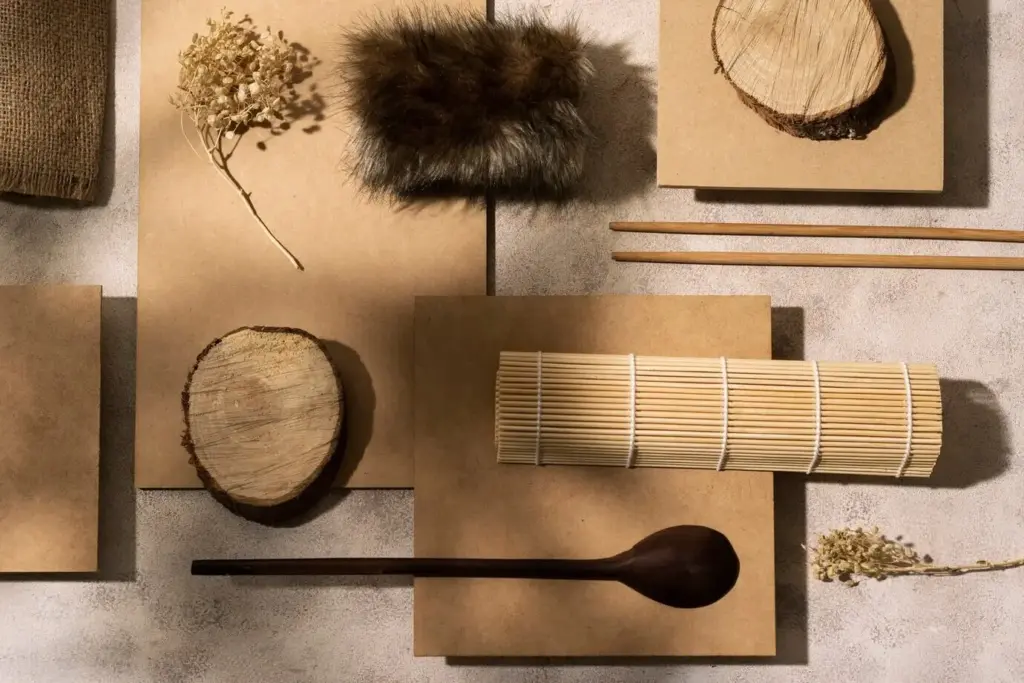
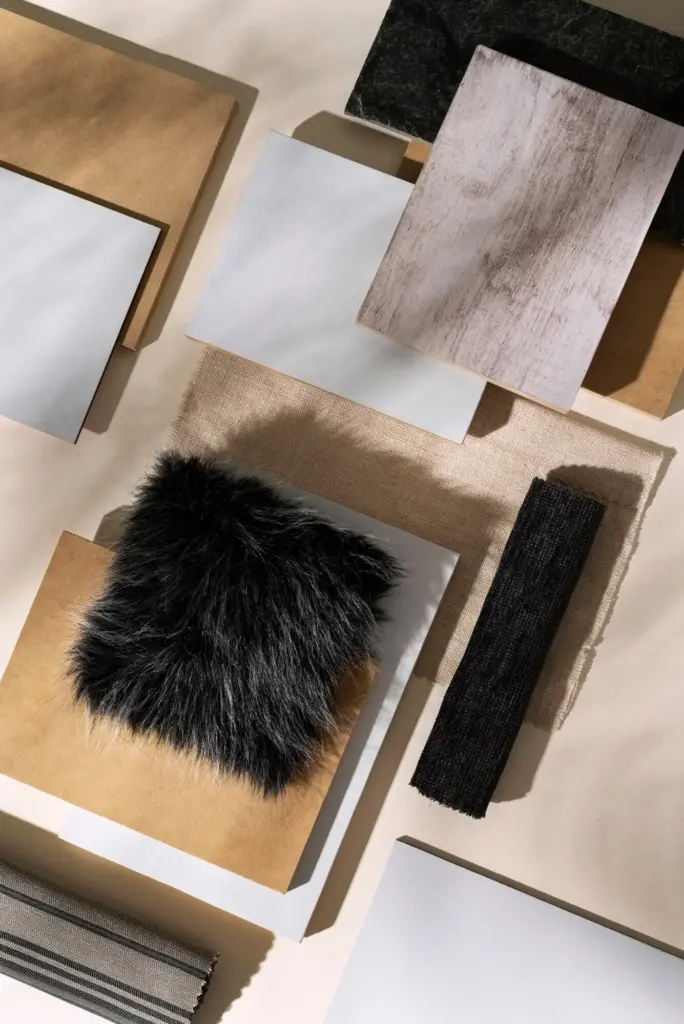
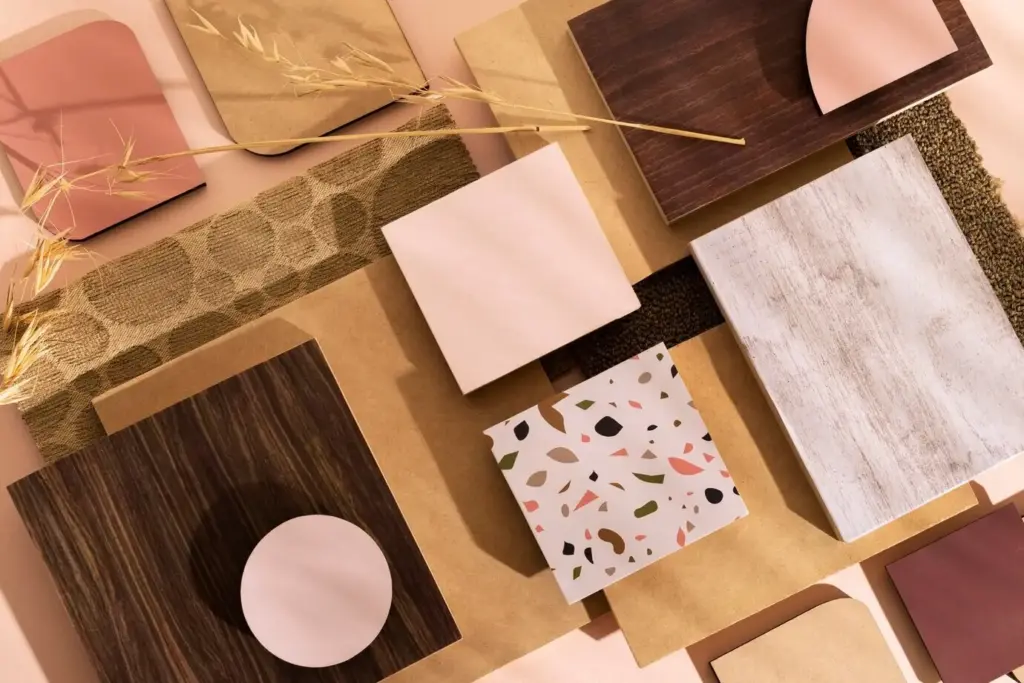
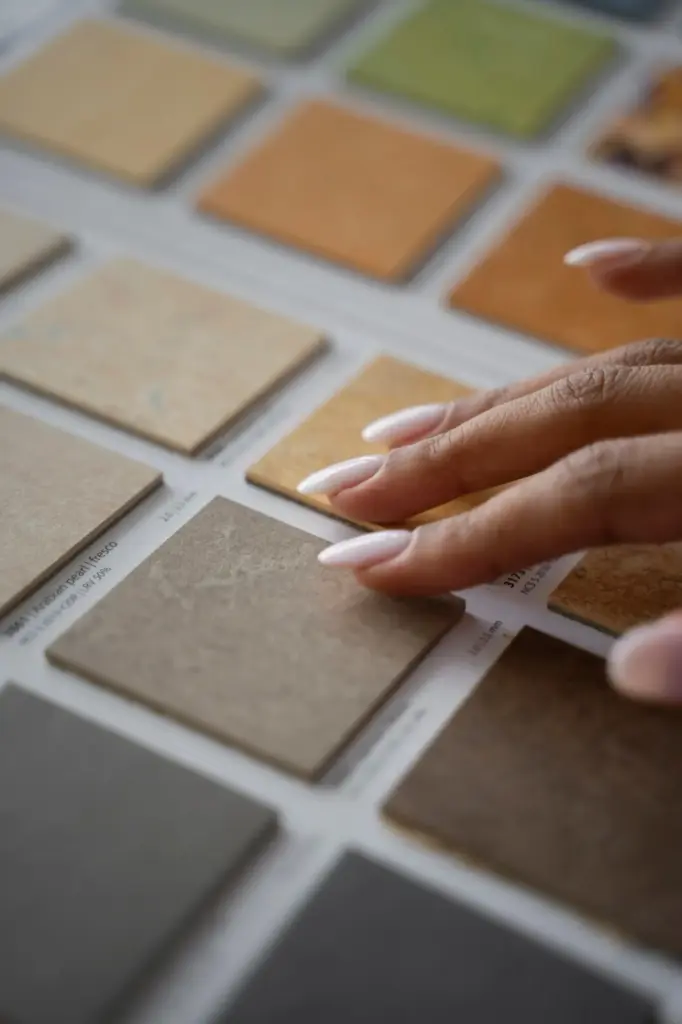
Begin with a small library of samples you can actually touch: travertine with open voids, brushed oak, honed marble, limewash, bouclé, mohair, raw linen. Arrange them by temperature, friction, and sheen. This tactile spectrum helps you choreograph contrasts—like pairing a silky plaster wall against a rustic beam—so each surface heightens the next. Great rooms feel composed, not crowded, because textures carry emotional weight.
Human-Centered Touchpoints
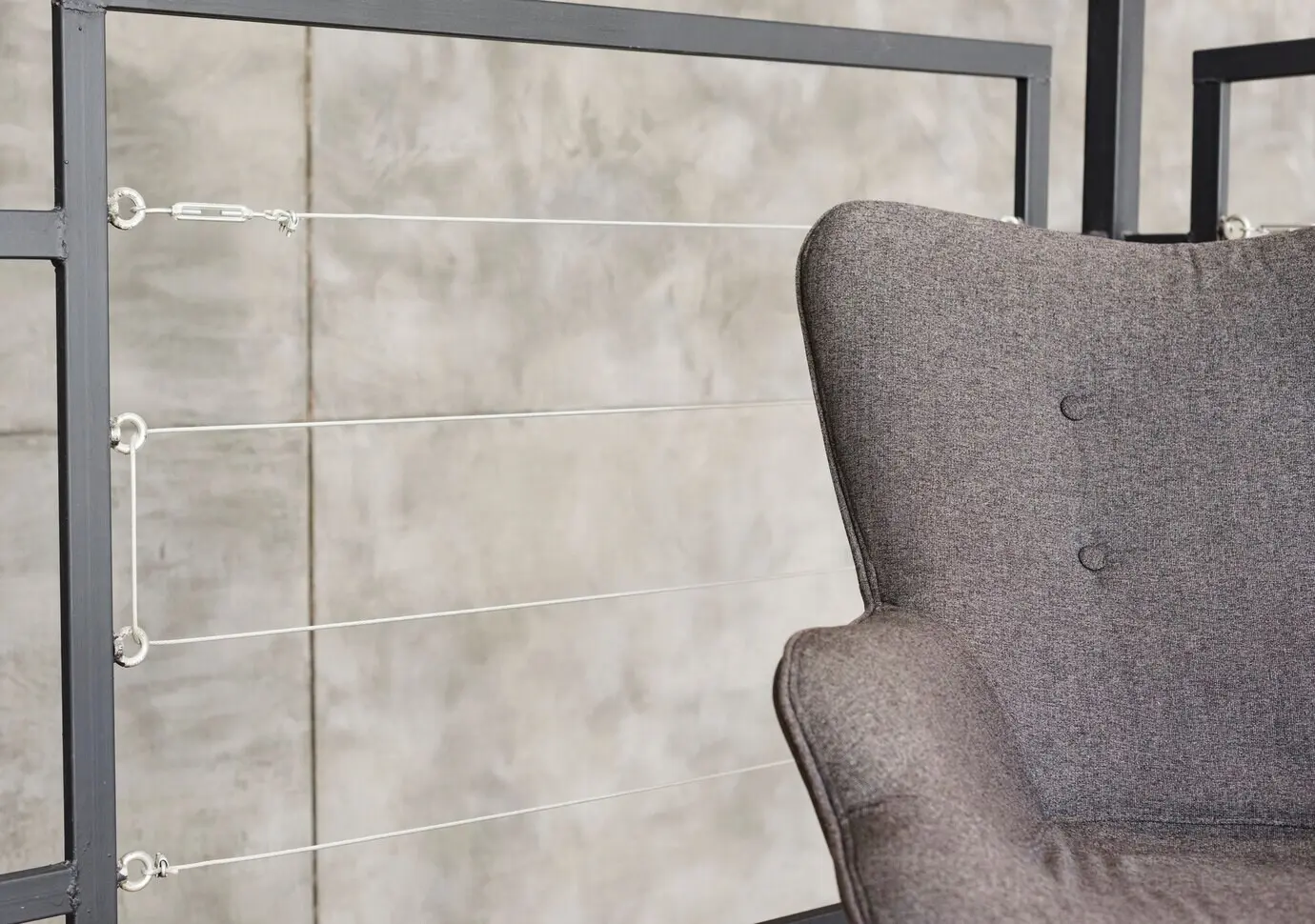
Design the places your hands go first: railings, door levers, countertop edges, drawer pulls, banquettes, and bed frames. Rounded edges reduce visual noise and physical strain. Natural finishes develop a personal patina that records daily rituals beautifully. Consider micro-bevels, chamfers, and burnished corners. When touchpoints feel intentional and welcoming, spaces communicate care before a single word is spoken, transforming routine gestures into quiet moments of pleasure.
Why Texture Reads as Luxury
Texture conveys authenticity because it reveals process and material truth. Hand-troweled plaster carries the maker’s rhythm, fluted stone catches shadows like pleats, and woven textiles show every fiber. These cues anchor rooms in time, reassuring the eye and hand that quality runs deep. In an era of glossy sameness, nuanced surfaces signal craftsmanship, restraint, and longevity—qualities that define enduring luxury without shouting for attention.
Material Alchemy: Stone, Plaster, Timber
Limewash and Tadelakt that Glow
Stone That Ages Gracefully
Light, Shadow, and Surface
Rooms that Reward Slow Living
Bathroom as Senses Spa
Kitchen as Crafted Atelier
Craft and Detail: Where Hands Make the Difference
Practical Luxury: Maintenance, Budget, and Longevity
Sourcing and Sustainability with Texture at Heart
All Rights Reserved.