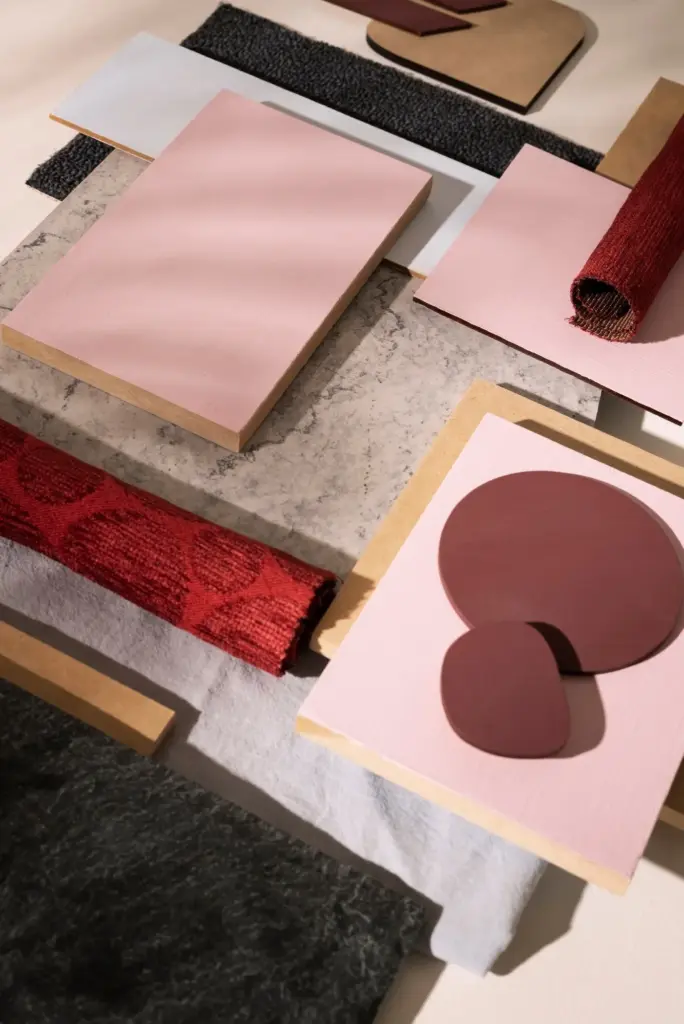
Texture-Rich Kitchens, Crafted to the Touch

Today we dive into bespoke wood, stone, and metal treatments for texture-rich kitchens, celebrating surfaces that invite fingertips, reflect light with quiet nuance, and endure real cooking. Expect practical guidance, maker wisdom, and stories that connect craft with daily rituals. Share your questions, request samples, and join our list to receive fresh ideas, maintenance tips, and tactile inspiration shaped around your unique space and habits.

Selecting Woods, Stones, and Metals with Character

Choosing materials for a kitchen begins with understanding how texture changes behavior, mood, and maintenance. Grain direction can visually elongate a room, honed stone softens glare, and aged metal warms modern lines. We’ll map species, quarries, and alloys to your cooking style, lighting conditions, and cleaning routines, balancing soul and durability so surfaces look beautiful on day one and even better after ten years.

Woods that Warm: Oak, Walnut, Ash

Rift or quartered white oak offers linear grain that resists warping and loves wire-brushing, while walnut adds cocoa depth and elegant figure. Ash brings pronounced pores that catch stain dramatically. Consider cathedral grain for lively fronts, or straight grain for calm planes. Pair hardwax oils for a natural feel, or catalyzed finishes for resilience near sinks, then let patina gently narrate every meal you cook.

Stone that Grounds: Marble, Quartzite, Granite
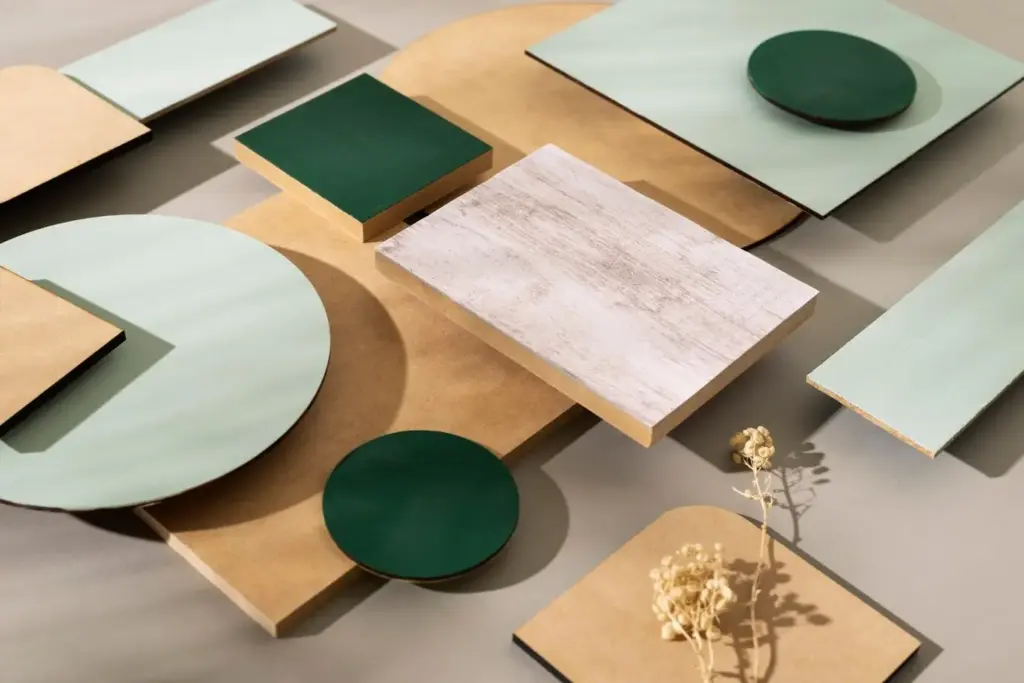
Marble’s veining sings under honed finishes, rewarding gentle care and thoughtful sealing, while quartzite offers marble-like movement with greater scratch resistance. Granite anchors busy households with dependable strength. Leathered textures soften reflections and disguise fingerprints, flamed treatment adds grip, and subtle edge profiles reduce chipping. Match stone personality to lighting, backsplash rhythm, and workflow, then adopt pH-neutral cleansers to preserve clarity without dulling nuanced tactile qualities.

Metals that Glow: Brass, Copper, Steel

Brass and copper evolve beautifully, welcoming fingerprints that deepen into expressive patina, while steel, blackened or brushed, delivers crisp modern structure. Protect with wax for a soft sheen or lacquer for stability, depending on traffic and tolerance for aging. Use metal sparingly as punctuation—hood trims, toe-kicks, shelves, or hardware—so glints of light outline movement, define edges, and connect appliances with crafted warmth.

Treatments that Invite the Hand

Wire-brushing lifts softer spring growth, highlighting grain and improving grip on frequently touched fronts. Fuming enriches white oak tones from honey to tobacco, enhancing depth without heavy stains. Hand-scraping adds gentle undulation that masks micro-scratches. Seal with hardwax oil for repairable beauty or a professional catalyzed finish for splash zones. Test sample boards under your lighting, then confirm cleaning routines with microfiber cloths and neutral soaps.
Honed stone diffuses glare and reveals veining like watercolor, while leathered finishes add faint topography that resists smudges and conceals crumbs. Flamed treatments, often on granites, create slip-resistant, rugged character. Choose penetrating sealers that do not create plastic shine, and avoid harsh chemicals that etch. Evaluate sample slabs against task lighting and grazing wall washers to see how shadows play, then finalize edges to balance tactile comfort with chip resistance.
Brushed finishes tame reflection and hide microabrasions on handles and rails. Chemical patinas on brass or copper produce smoky browns or umbers that mature gracefully, while controlled blackening on steel sets an architectural baseline. Lock in character with wax if you embrace living finish, or consider clear coats where fingerprints frustrate. Test touchpoints—pulls, brackets, shelves—because successful metalwork depends on how it feels as much as how it looks.

Finish Systems that Suit Real Cooking

Cabinet faces near sinks benefit from durable catalyzed finishes, while island ends and open shelving shine with tactile, repairable oils. Cutting boards prefer unscented mineral oil and beeswax blends; prep zones gain resilience from water-resistant sealers. Coordinate sheens across surfaces to avoid visual clutter, and confirm manufacturer compatibility between stains, sealers, and topcoats. Establish seasonal touch-ups that take minutes, sustaining glow without anxiety or specialist appointments.

Stone Sealing, Spills, and Stain Strategy

Penetrating sealers protect pores while preserving authentic feel; avoid topical films that create artificial shine and trap grime. Blot spills quickly, especially wine, coffee, and citrus, and use pH-neutral cleaners that won’t dull honed finishes. Keep a small care kit nearby—soft cloths, gentle cleaner, sealer reminder card—so maintenance becomes a habit, not a chore. Schedule re-sealing proactively based on manufacturer guidance and your household’s pace.

Metals, Fingerprints, and Honest Aging
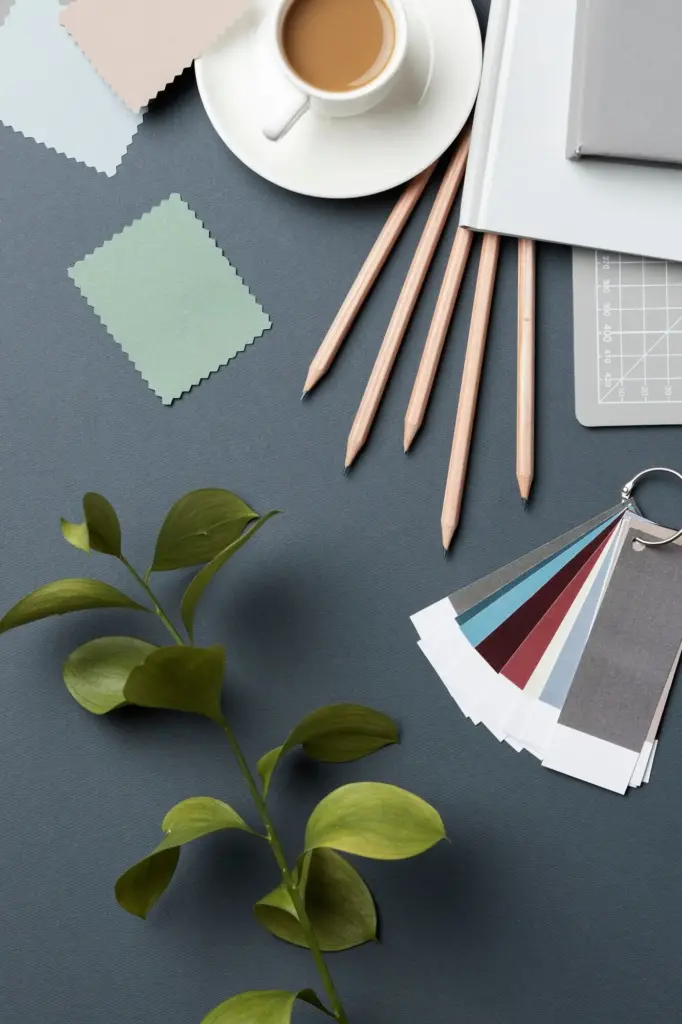
Warm metals reward acceptance: fingerprints become part of the story, maturing into rich, even tone. If you prefer steadiness, consider pre-patinated panels with protective lacquer or a brushed stainless program that resists smudging. Establish a quick weekly wipe with soft cloths and wax where appropriate. Reserve high-patina elements for low-touch accents, while busy handles lean toward brushed finishes that welcome constant use without demanding fussy upkeep.

Light, Color, and Composition

Shaping Shadows with Purposeful Lighting

Position linear LEDs to graze vertical grain, not flatten it. Use warm temperatures near brass to reduce harshness, and neutral tones over stone to keep veining honest. Add dimmable circuits for mood shifts from prep to plate. Test glare by crouching at counter height, simulating chopping posture. Favor diffusers that soften hotspots, and let task lights overlap gently so texture reads clearly without producing distracting zebra patterns across cabinetry.

Balancing Matte and Gloss for Calm Contrast

Position linear LEDs to graze vertical grain, not flatten it. Use warm temperatures near brass to reduce harshness, and neutral tones over stone to keep veining honest. Add dimmable circuits for mood shifts from prep to plate. Test glare by crouching at counter height, simulating chopping posture. Favor diffusers that soften hotspots, and let task lights overlap gently so texture reads clearly without producing distracting zebra patterns across cabinetry.

Edges, Profiles, and the Pleasure of Touch

Position linear LEDs to graze vertical grain, not flatten it. Use warm temperatures near brass to reduce harshness, and neutral tones over stone to keep veining honest. Add dimmable circuits for mood shifts from prep to plate. Test glare by crouching at counter height, simulating chopping posture. Favor diffusers that soften hotspots, and let task lights overlap gently so texture reads clearly without producing distracting zebra patterns across cabinetry.

From Sketch to Shop: Collaboration and Craft

Great kitchens rise from clear conversations. Begin with mood images focused on touch, not just color. Request sample boards you can spill on, photograph under morning and evening light, and live with for a week. Involve fabricators early to confirm lead times, grain matching, and sealer compatibility. Expect transparent pricing for prototypes, and insist on offcuts for future repairs. Collaboration protects vision while inviting expertise that elevates every decision.

Stories from the Kitchen: Three Transformations

Narratives show how texture changes daily rhythms. In each project, subtle treatments recalibrated light, grip, and mood without chasing trends. We’ll share details clients loved and lessons worth repeating, from clever cleaning kits to edge profiles that spared knuckles. These glimpses reveal how ordinary routines—chopping herbs, sliding trays, wiping spills—become small pleasures when materials are chosen for feel as much as appearance.

Compact City Galley, Big Personality

A narrow apartment kitchen gained presence with quartered white oak fronts, wire-brushed for shadow and grip, paired with leathered quartzite that hid smudges between long meetings. Blackened steel shelves connected appliances and held heat-safe spices. Under-cabinet grazing light sculpted grain wonderfully. The client keeps a small care kit in a drawer, and weekend oil touch-ups became a calming ritual rather than a chore.

Family Hub Built for Spills and Smiles

For a hectic household, we combined brushed ash with conversion-finished lower cabinets and oil-finished uppers for easy repair. Honed granite anchored island wrestling matches over pizza dough, while knurled brass pulls helped small hands grip confidently. Warm lighting eased evening homework. A monthly checklist guided quick resealing where needed. The result felt resilient yet gentle, allowing joyful messes without anxiety or compromised beauty.

Quiet Retreat with Gentle Contrast

A minimalist space came alive through subtlety: steamed walnut with hand-scraped edges, honed marble with softened arris, and a whisper of brushed stainless on toe-kicks reflecting floor light. The owner cooks alone at dawn; grazing illumination turns textures into a private ritual. Accepting slight patina reduced stress, while carefully chosen neutral cleaners protected finishes. Every morning coffee feels deliberately composed, calm, and deeply human.

Vizuvuzomamifeto
Privacy Overview

This website uses cookies so that we can provide you with the best user experience possible. Cookie information is stored in your browser and performs functions such as recognising you when you return to our website and helping our team to understand which sections of the website you find most interesting and useful.